

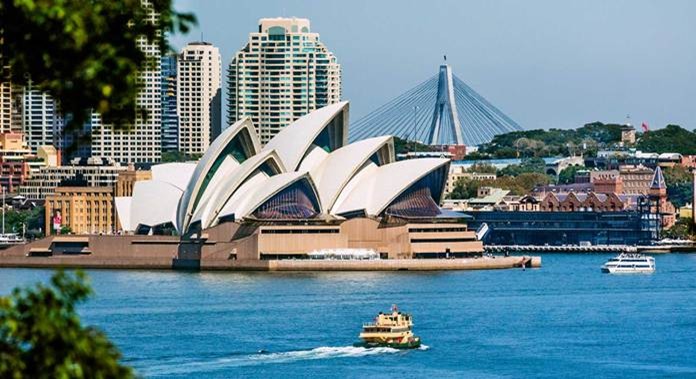
Australia is the number one preferred study destination for Bhutanese. It is one of the famous study abroad destinations for international students.
The country attracts many students annually because Universities in Australia have the best education systems and world-class facilities. Approximately 22,000 different courses are available in 1100 universities and institutions throughout the country.
Australian lifestyles and cities are easily adaptable for international students because they have the friendliest neighbourhoods, excellent job prospects (including casual and part-time jobs), and provide you with homely hospitality.
There are thousands of scholarships available, and students have numerous job opportunities during and after their studies. Every year, Australia attracts an increasing number of international students, despite the high living standard and expensive tuition fees.
The following is the estimated cost of living and studying in Australia.
Estimation of tuition fees in Australia
Investment in your education yields better returns. Pursuing a higher-level education in Australia doesn’t come cheap. The cost of studying in Australia varies depending on your course and the level of education.
With over 10,000 Bhutanese residing in Australia for work and study, it’s proven to be the safest and most livable country in the world.
Here are the average estimated tuition fees and course costs for international students:
Tution fees in Australia for international students
The estimated fees for diploma programs or associate’s degrees (VET) range from AU$12,000 to AU$15,000 per year.
The estimated fees for an international undergraduate or bachelor’s degree range from AU$20,000 to AU$45,000 per year. For postgraduate and doctoral degrees, the cost will range from AU$45,000 to AU$50,000.
These estimated figures do not apply to high-value courses. If you wish to pursue studies such as veterinary or medical degrees, it will be significantly expensive.
Note* 1 AUD = Nu ( 50 -60) depending on the exchange rates.
Living expenses in Australia
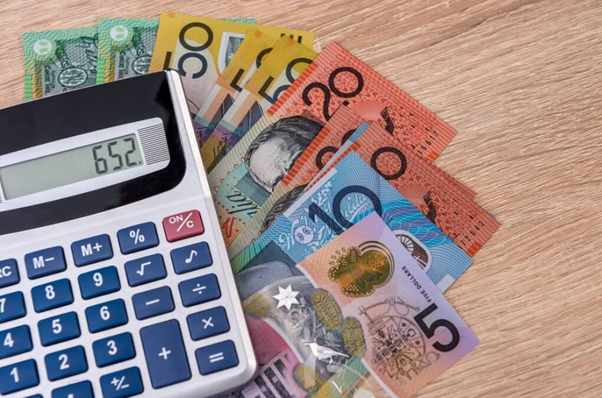
The Australian Government’s Department of Home Affairs directs that you will need to show funds of AUD $29,710 to support yourself for the first year and prove you have financial resources to live and study in Australia.
You will need to add an additional figure of AU$7,100 if you have a partner or spouse, and another AU$3,040 if you have children with you. You will also need to prove that you have sufficient funds for your stay and return airfare.
Although you may not need to spend such amounts, these are the figures required to meet the Australian immigration standards.
International students in Australia need between $1,400 to $2,500 AUD per month to cover all their living expenses in Australia. It includes accommodation, food, and other costs in Australia.
The commodities mentioned below are some of the weekly expenses in Australia:
Most Australian universities and institutions give a detailed breakdown of the cost of living in their neighborhood. Some universities give out shopping smarter pages where students can learn about shopping and commodities on their websites.
Make sure to carry extra budgets because the universities and institutions will only include costs for an academic year, exclusive of vacations. International students will learn time management, independence, and resource utilization during their stay in Australia.
Food costs in Australia

Groceries are available at local stores and require an average of 500 – 1000 AUD per month. Shopping at cheaper markets like Aldi, Coles, and Woolworths will save you money. The average meal at an inexpensive restaurant can cost 18 AUD, while a three-course meal for two can cost up to 80 AUD.
Research shows that most students cook in their rooms and save 50% of the external expenditure. There are many cafes and upscale restaurants that offer affordable packages for Birthday celebrations and many other occasions.
The cost of student accommodation in Australia
Your most significant living expense in Australia will be your housing rent. It is comparatively cheaper to live in the suburbs and further away from cities.
The accommodation price will vary depending on the area and the type of apartment. You can choose to stay in a furnished or semi-furnished flat or room. Sydney is the most expensive city in Australia, followed by Melbourne, Perth, Canberra, Brisbane, and Adelaide.
You will spend almost AU$16000 per month on accommodation in Australia. Sharing a house is a common trend for international students and is recommended. Rent for a shared house in Australia will cost around AU$150-300 per week, including utilities, for accommodations that are further away from the city.
Transportation costs in Australia

Depending on the city, public transport is easily accessible with buses, trains, trams, and ferries in Australia.
An adult fare for public transportation typically costs around $2-3 for a 10 km journey in major cities like Sydney.
Students can benefit from other discounts from state programs such as Queensland, South Australia, and Victoria, depending on your residential area.
Public transport for students costs between AU$30 and AU$70 per month. That said, some states offer 40% student discounts on public transportation.
Takeaway
The quality of life in Australia is high, with better education and facilities. The part- time job wages in Australia are also high compared to other parts of the world that help you sustain the Australian lifestyle. As an international student, you can maximize the use of your student card for public transportation and entertainment and live in shared spaces to reduce your expenditure.

The first education consultancy in Bhutan. We are a trusted name, a trusted brand.